Mapping loyalty tier progressions in UK gambling apps that transform early deposit matches into sustained odds uplifts and casino credit streams
Katja Perry · Aug 13, 2026
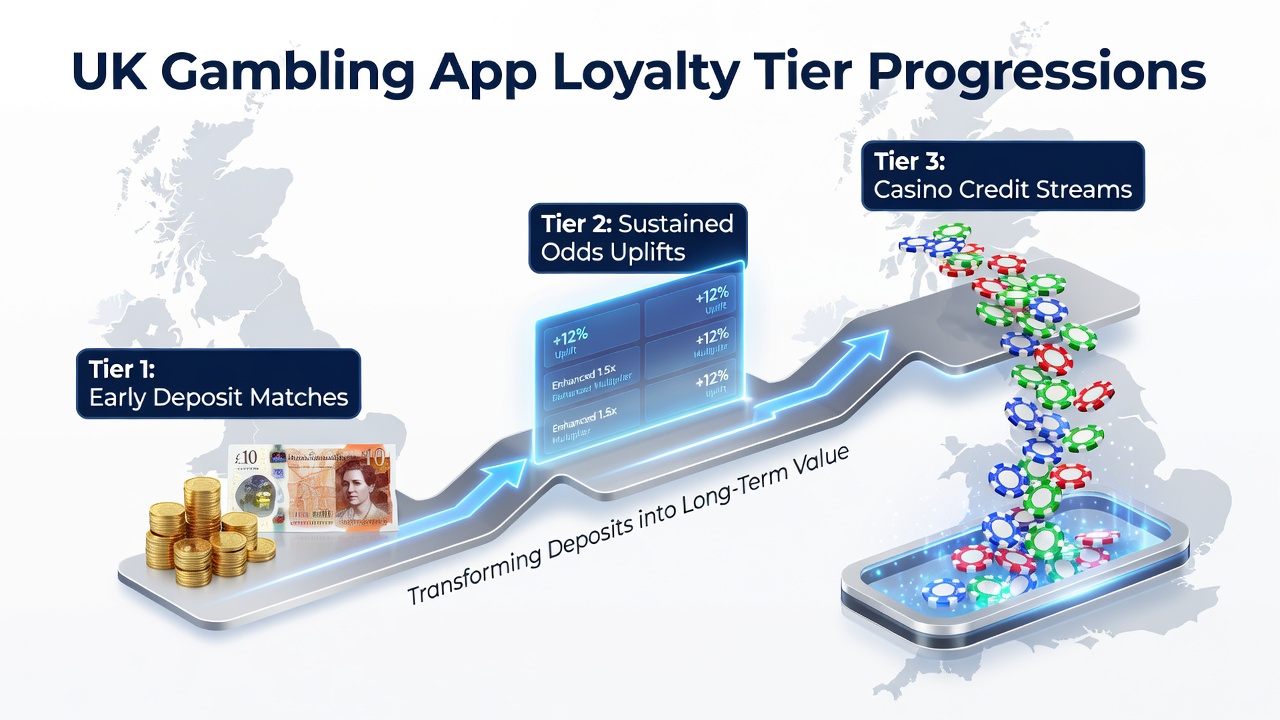
Mapping loyalty tier progressions in UK gambling apps that transform early deposit matches into sustained odds uplifts and casino credit streams
UK gambling applications have developed structured loyalty tier systems that convert initial deposit matches into layered benefits including improved betting odds and ongoing casino credits as of August 2026. These progressions operate through point accumulation mechanisms where users advance through defined levels based on activity volume and frequency, with each tier unlocking incremental enhancements that extend beyond the first deposit.
Initial Deposit Matches as Entry Points
Deposit match offers serve as the starting mechanism in many applications, where a percentage of the first funds added receives a bonus allocation that immediately contributes to tier qualification. Observers note that these matches often carry wagering requirements which, once fulfilled, generate loyalty points that feed directly into the progression track; the points then determine access to higher categories that deliver sustained advantages rather than one-time rewards. Data from industry reports indicates that users completing the match conditions within the first week show higher retention rates across subsequent months, as the system funnels activity toward tier elevation.
Tier Structures and Progression Mapping
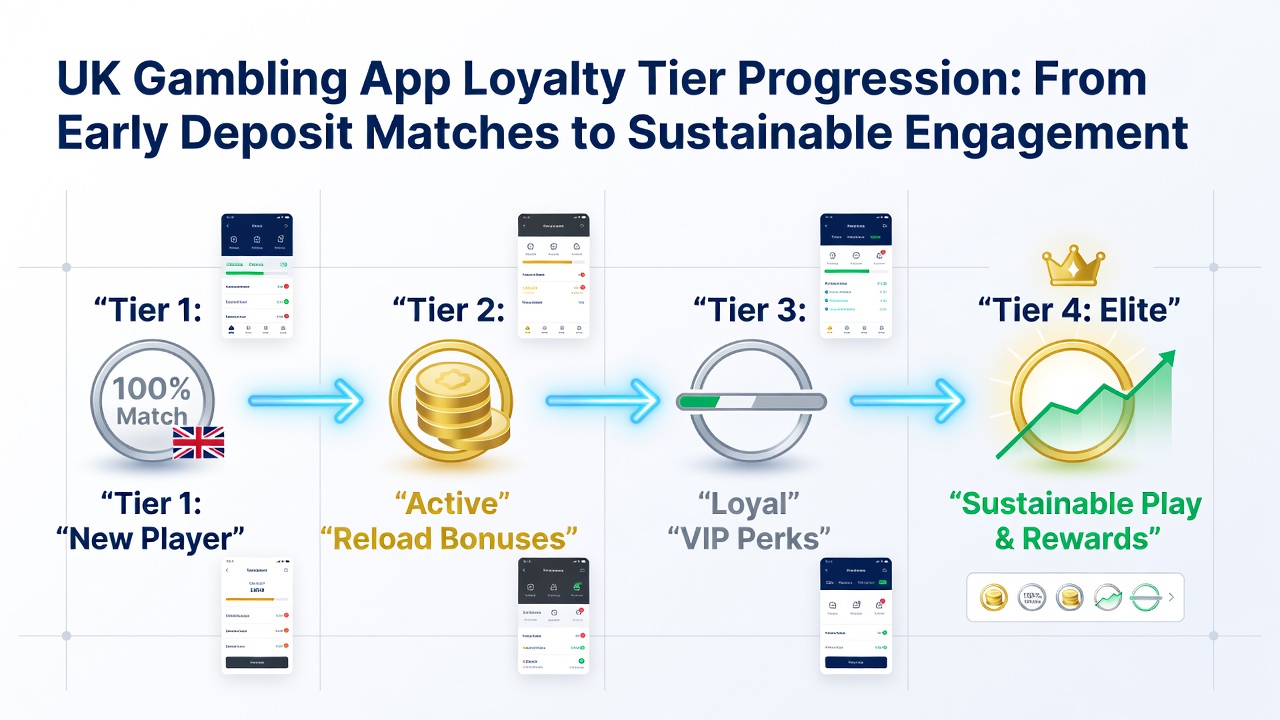
Loyalty frameworks typically feature four to six tiers, beginning with entry-level status and advancing to premium designations through cumulative spend thresholds. Advancement occurs when point totals reach set milestones, at which stage applications adjust odds calculations on selected markets and allocate periodic casino credits proportional to the new tier. Researchers have mapped these sequences in reports showing that mid-tier users receive odds uplifts averaging between 5 and 15 percent on qualifying bets, while top tiers incorporate additional credit streams redeemable across both sports and casino sections of the same platform. The mapping reveals clear linear paths where early deposit activity compounds into multi-month benefit flows without requiring repeated sign-up incentives.
What's interesting is how the systems integrate real-time tracking, so that every bet or game round updates the user's position on the progression ladder automatically. Turns out this automation reduces friction and encourages consistent engagement, because visible progress bars display remaining requirements to the next tier. According to figures from the European Gaming and Betting Association, loyalty program participation correlates with extended session lengths across European markets including the UK.
Conversion of Matches into Sustained Odds Uplifts
Once users clear the deposit match phase, the accumulated points translate into odds enhancements that apply automatically on eligible selections. These uplifts appear as incremental percentage additions to potential returns, and they persist for the duration of the tier validity period, which often spans 30 to 90 days before renewal checks occur. Applications achieve this through backend algorithms that factor in tier status alongside standard odds feeds, creating personalized pricing without manual user intervention. Studies from academic sources have documented that such sustained adjustments maintain engagement levels higher than isolated promotional events, because the benefit scales with continued play rather than resetting after a single use.
Casino Credit Streams and Cross-Product Linkages
Casino credit allocations emerge as a parallel stream once tier thresholds are crossed, with amounts credited on a scheduled basis such as weekly or monthly. These credits function within the casino environment yet often link back to sports activity through shared loyalty ledgers, allowing points earned from betting to unlock gaming bonuses and vice versa. The linkage creates a closed loop where deposit match origins expand into diversified reward channels, and applications enforce spending caps tied to the user's current tier to regulate distribution volume. External analysis from the Australian Institute of Family Studies highlights similar cross-product mechanics in other regulated markets, showing how tiered credits stabilize revenue patterns for operators while providing predictable user returns.
Practical Mapping Examples in Current Platforms
One documented progression path starts with a 100 percent deposit match that yields 500 initial points, advancing the user to the second tier within 14 days of qualifying activity. At that stage the application activates a 7 percent odds uplift on accumulator bets alongside a monthly casino credit of 10 pounds, both of which renew automatically provided the tier is maintained through minimum play requirements. Further advancement to the third tier demands an additional 2000 points and introduces higher credit volumes plus expanded market coverage for the odds adjustments. Observers have tracked these sequences across multiple applications during 2026, confirming that the early match serves as the catalyst for the entire chain without needing separate enrollment steps.
Conclusion
The mapping of loyalty tier progressions demonstrates how UK gambling applications channel early deposit matches into enduring structures of odds uplifts and casino credit streams through systematic point systems and automated adjustments. These frameworks operate consistently across platforms as of August 2026, with clear thresholds and benefit escalations that reward sustained participation. Data patterns confirm the progression remains linear and transparent, allowing users to anticipate upgrades based on activity volume alone.