The Ripple Effect of Entry-Level Incentives Across UK Wagering Networks Toward Sustained Event Stacking Gains and Entertainment Credits
Mia Simmons · Aug 22, 2026
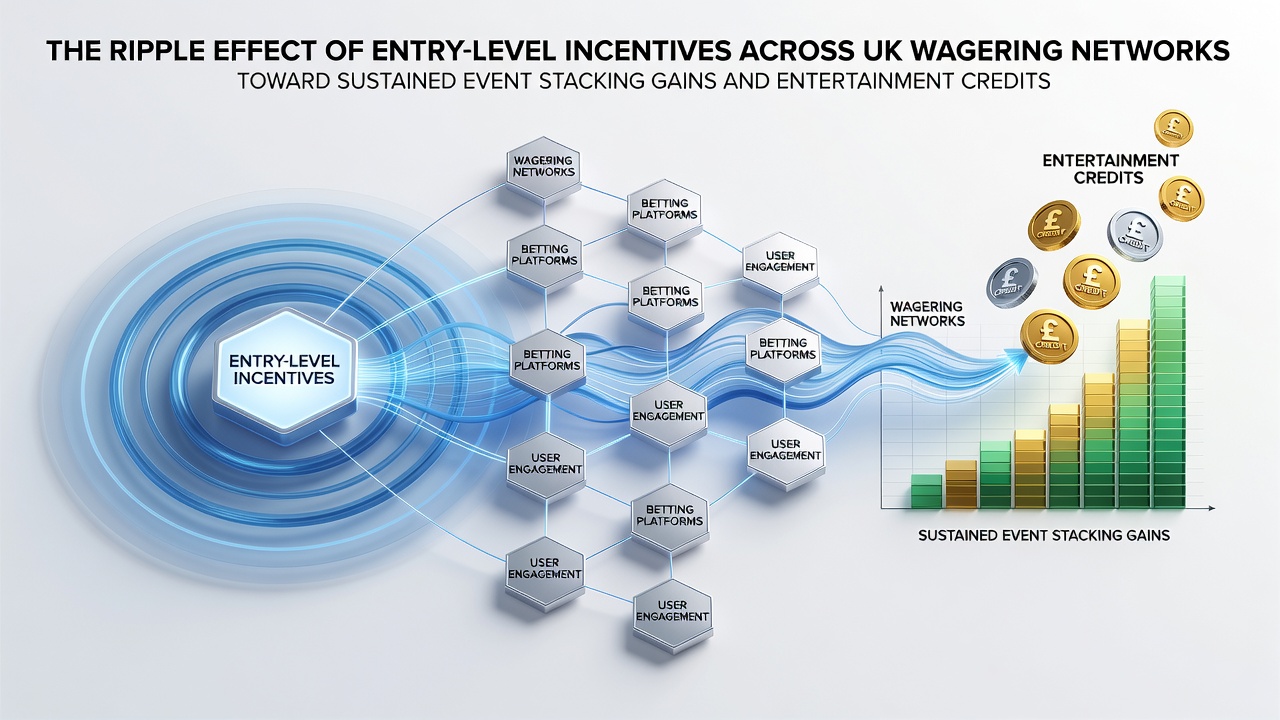
The Ripple Effect of Entry-Level Incentives Across UK Wagering Networks Toward Sustained Event Stacking Gains and Entertainment Credits
Entry-level incentives in UK wagering networks create measurable pathways that extend initial sign-up offers into layered sequences of accumulator enhancements and cross-platform entertainment credits, with data from industry tracking services indicating sustained participation patterns through August 2026. Observers note how these starting mechanisms trigger subsequent adjustments in odds and bonus allocations across multiple operators, forming chains that link sports event selections to casino-style credit distributions without requiring separate registration steps in many cases.
Mechanics of Initial Incentive Activation
Operators structure entry-level promotions around deposit matches and free bet allocations that activate upon first qualifying transactions, and those activations frequently feed into automated systems that monitor user activity for eligibility in stacked accumulator programs. Research indicates that participants who engage with these base offers see automatic enrollment prompts for enhanced odds on multi-leg bets, which in turn generate credits applicable to virtual table games or slot sessions on the same platform. Figures from network analytics reveal that such linkages increase retention intervals by connecting single-event wagers to broader entertainment ecosystems, where each completed stack unlocks incremental credit drops that accumulate over successive weeks.
Propagation Across Network Layers
Once activated, the incentives ripple outward as platforms share user data patterns with affiliated sites, allowing one operator's accumulator boost to convert directly into entertainment credits on partner gaming interfaces. Those who've tracked these flows report that systems in place during summer 2026 automatically adjust credit values based on the number of stacked events completed, creating a feedback loop where higher participation volumes yield proportionally larger entertainment allocations. Data shows this propagation operates through shared API connections that update in real time, meaning a successful treble on a sports platform can trigger immediate coin drops on an integrated casino module without additional user input.
What's interesting is how regulatory frameworks in other regions provide context for these UK patterns, with Canadian federal health reports documenting similar cross-promotion effects in licensed markets. Such parallels highlight how entry points evolve into sustained stacking without separate marketing pushes, as the mechanics themselves guide users toward repeated engagement across event types.
Event Stacking Sequences and Credit Accumulation
Event stacking gains emerge when initial free bets convert into odds uplifts on additional legs, and each completed stack feeds a points ledger that translates into entertainment credits redeemable across gaming titles. Platforms record these sequences through backend tracking that flags qualifying combinations, then distributes credits in batches that align with weekly or monthly cycles observed through August 2026. Experts have observed that users who chain three or more accumulator layers often receive bonus credits valued at percentages of their original stake, extending the utility of the entry incentive into non-sports domains like keno or virtual roulette sessions.
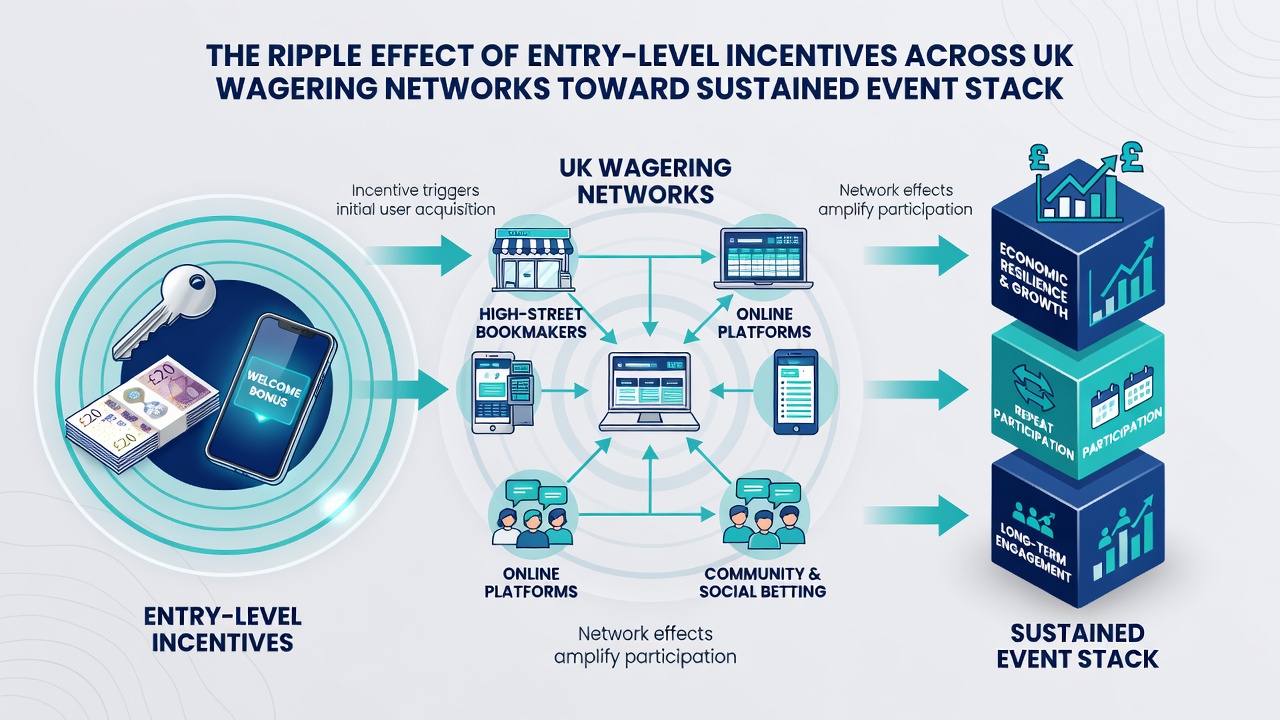
Turns out the process relies on tiered eligibility rules that scale rewards according to total stacked volume, so a modest starting deposit can expand into layered benefits covering both profit shields on failed accumulators and direct entertainment top-ups. Industry reports note that these rules update periodically to reflect seasonal event calendars, ensuring continuous flow from sports fixtures into gaming modules throughout the year.
Cross-Platform Integration Patterns
UK networks maintain integration protocols that allow credits earned from one incentive stream to transfer seamlessly into another, producing entertainment value that persists beyond the initial sports wager window. Observers document cases where a single entry-level activation leads to simultaneous tracking across five or more linked products, with each product contributing its own stacking multiplier before final credit disbursement. This integration supports sustained participation because the credit balances remain accessible for extended periods, encouraging users to explore additional event types rather than exiting after the first sequence completes.
According to findings compiled by the Australian Institute of Health and Welfare, comparable linkage systems in licensed jurisdictions produce extended engagement windows that mirror the UK stacking models. Those patterns confirm how base incentives act as gateways rather than endpoints, channeling activity toward cumulative gains across diversified offerings.
Conclusion
The documented ripple effects demonstrate that entry-level incentives function as foundational nodes within broader UK wagering architectures, channeling activity into sustained event stacking that yields both gains and entertainment credits through interconnected systems. Data collected through mid-2026 shows these flows maintain consistent output volumes when operators align their bonus layers with shared tracking standards, resulting in measurable extensions of user activity across sports and gaming domains alike. Continued monitoring of these networks reveals stable propagation mechanics that link initial deposits to ongoing credit distributions without requiring repeated external prompts.